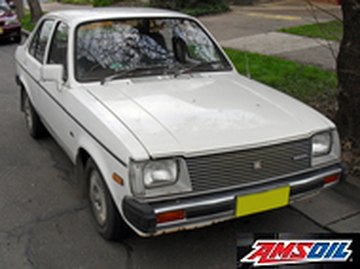
Maintaining Lubrication Integrity for the 1982 Isuzu I-MARK 1.8L
Proper engine care for a vehicle of this era requires a focus on consistent monitoring and proactive inspection. For owners of a 1982 Isuzu I-MARK equipped with the 1.8L engine, maintaining the lubrication system is a fundamental aspect of long-term mechanical health. Because older engines rely on precise tolerances and effective fluid properties to operate efficiently, understanding how to monitor and manage oil service is essential.Monitoring Fluid Condition and Consumption
One of the most effective ways to gauge the health of an engine is to pay close attention to how it uses its lubricant. While all internal combustion engines consume a negligible amount of oil through normal operation, any noticeable change in consumption patterns warrants investigation. If you find that you are needing to add oil more frequently than usual between service intervals, this can be associated with several different factors. It may indicate that seals or gaskets are beginning to show signs of age-related seepage, or it could suggest that the engine is consuming more lubricant during its operating cycle. Rather than attempting to diagnose a specific component based solely on fluid levels, it is best to treat increased consumption as a signal to perform a more thorough inspection of the engine bay for any visible signs of leakage. Additionally, the appearance of the oil itself can provide useful information. When checking the dipstick, look for changes in color or texture. While used oil naturally darkens over time due to its role in cleaning the engine, extremely dark or gritty oil might suggest that service intervals are being extended too far, or that there is significant contamination present.Observing Potential Warning Signs
Maintaining awareness of how the vehicle behaves during operation can help identify issues before they escalate. While many mechanical concerns require professional diagnostic tools, certain symptoms serve as important indicators that something requires attention. Unusual mechanical noises, particularly those that change in frequency with engine speed, should never be ignored. Similarly, if you notice any changes in exhaust characteristics—such as smoke that appears differently than it did previously—it is a sign that the combustion process or the lubrication system may need an inspection. It is also important to remain vigilant regarding dashboard indicators. If a warning light related to oil pressure or engine temperature illuminates, this requires immediate investigation. These indicators are designed to alert you to conditions that could potentially lead to mechanical distress. Because these symptoms can have multiple underlying causes, they should be viewed as prompts for a professional diagnostic check rather than definitive proof of a single part failure.Prioritizing Maintenance Based on Current Condition
For an older vehicle like the 1982 Isuzu I-MARK, maintenance decisions are often most effective when based on the actual current state of the machine rather than just its age or mileage. If you have recently acquired the vehicle and do not have a complete service history, establishing a maintenance baseline is a logical first step. This process involves:- Reviewing any available service records to understand what has been addressed in the past.
- Performing a comprehensive visual inspection of all accessible engine components.
- Identifying and addressing any active leaks or overdue service items immediately.
- Monitoring fluid levels and consumption rates over several weeks to establish a "normal" baseline for your specific engine.
Routine Inspection of Engine Bay Components
Regular visual inspections are a low-effort, high-reward method for maintaining engine longevity. When you are performing routine tasks, take a moment to look beyond the immediate area of work. If equipped, inspect accessible drive belts for signs of wear such as cracking or fraying. Similarly, check any visible hoses for signs of softening, swelling, or leaks at the connection points. Inspecting electrical connections and wiring harnesses for signs of brittleness or corrosion can also prevent unexpected issues with engine management or ignition systems. Furthermore, checking the condition of the air filtration system is a vital part of routine service. A clean air intake ensures that the engine is not working harder than necessary to pull in air, which helps maintain efficient operation and reduces the amount of debris that could potentially enter the combustion chamber.Long-Term Ownership and Record Keeping
Effective ownership of a classic or older vehicle involves more than just mechanical work; it requires diligent record-keeping. Maintaining a detailed log of all fluid changes, filter replacements, and repairs provides an invaluable resource for both you and any future technicians. A well-maintained history allows you to track patterns. For instance, if you notice that a specific component is being replaced more frequently than expected, your records will help determine if this is a recurring issue or an isolated incident. Consistent documentation also helps in establishing the maintenance baseline mentioned previously, making it much easier to identify when the vehicle's needs change as it continues to age.Practical Guidance for Buying Engine Oil for the 1982 Isuzu I-MARK 1.8L
When it is time to replenish your engine's lubricant, the most important step is to ensure the product matches the specific requirements of your engine. Because different engines have unique needs regarding chemical composition and flow characteristics, you should never rely on general automotive knowledge or assumptions based on the vehicle's age. To select the correct product:- Match the engine oil to the application-specific viscosity information already displayed on this webpage.
- Verify that the oil meets the appropriate API (American Petroleum Institute) service certifications listed on the container.
- Consider whether a high-mileage formulation is appropriate for your needs; some of these formulations contain additives intended for use in aging engines, including seal-conditioning additives.
- Always check the product labeling thoroughly before purchase to ensure it aligns with the technical data provided for this 1.8L application.